


Many scientific advances have been made in HIV treatment. There are now laws to protect people living with HIV and we have a much better understanding of the virus and the underlying factors that place people at risk of HIV infection. Despite these advances, stigma and discrimination remain a reality for many people living with or affected by HIV.
HIV-related stigma and discrimination refers to prejudice, negative attitudes, abuse and maltreatment directed at people living with HIV. The consequences of stigma and discrimination are wide-ranging: being shunned by family, peers and the wider community, poor treatment in healthcare and education settings, an erosion of rights, psychological damage, and a negative effect on the success of HIV testing and treatment.
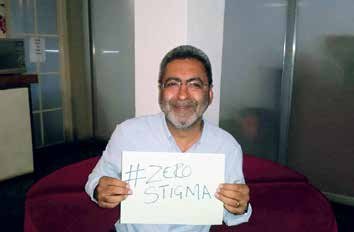
Stigma can be directed internally, by a person living with HIV towards themselves (called ‘self stigma’) or externally by people towards a person living with HIV (called ‘external stigma’). Both forms of stigma are harmful to people living with HIV and their loved ones.
“We hope that this year’s World AIDS Day theme and the challenge that it issues will get people to stop and think about their own attitudes. HIV is no longer a death sentence and we need to address stigma and discrimination if we are to move to the next level of the HIV response in South Africa. ” Dr Fareed Abdullah, CEO of SANAC
Currently, there is little evidence in South Africa to measure the level of HIV-related stigma and discrimination. This is set to change, as SANAC, in partnership with Wits Reproductive Health and HIV Institute (WHRI) and Deutsche Gesellschaft fu?r Internationale Zusammenarbeit (GIZ) GmbH, is currently conducting a national Stigma Index. OR Tambo district in the Eastern Cape has already conducted the index in 2011 and is in the process of implementing a stigma reduction programme as a result.
At the national World AIDS Day event, which will take place on 1 December in Virginia, in the Matshabeng Local Municipality in Free State Province, the preliminary results of the national Stigma Index will be released.
World AIDS Day 2014 provides us the opportunity to remind the public and government that HIV has not gone away and that collectively, there is the need to increase knowledge and awareness, fight prejudice and develop appropriately funded programmes to maintain and achieve the aims and objectives of the country as set out in the National Strategic Plan on HIV, STIs and TB 2012?2016.
Addressing stigma and discrimination is an important aspect of reducing the effects of HIV. Stigma and discrimination are not only harmful to people living with HIV and their families, but also can stop people from finding out their HIV status and sharing it with others. People who do not disclose their HIV status and do not seek treatment may be more likely to pass the infection to others. Furthermore, stigma and discrimination discourage people who may have been exposed to HIV from accessing HIV Counselling and Testing. On the whole, these effects limit the success of HIV prevention and treatment.